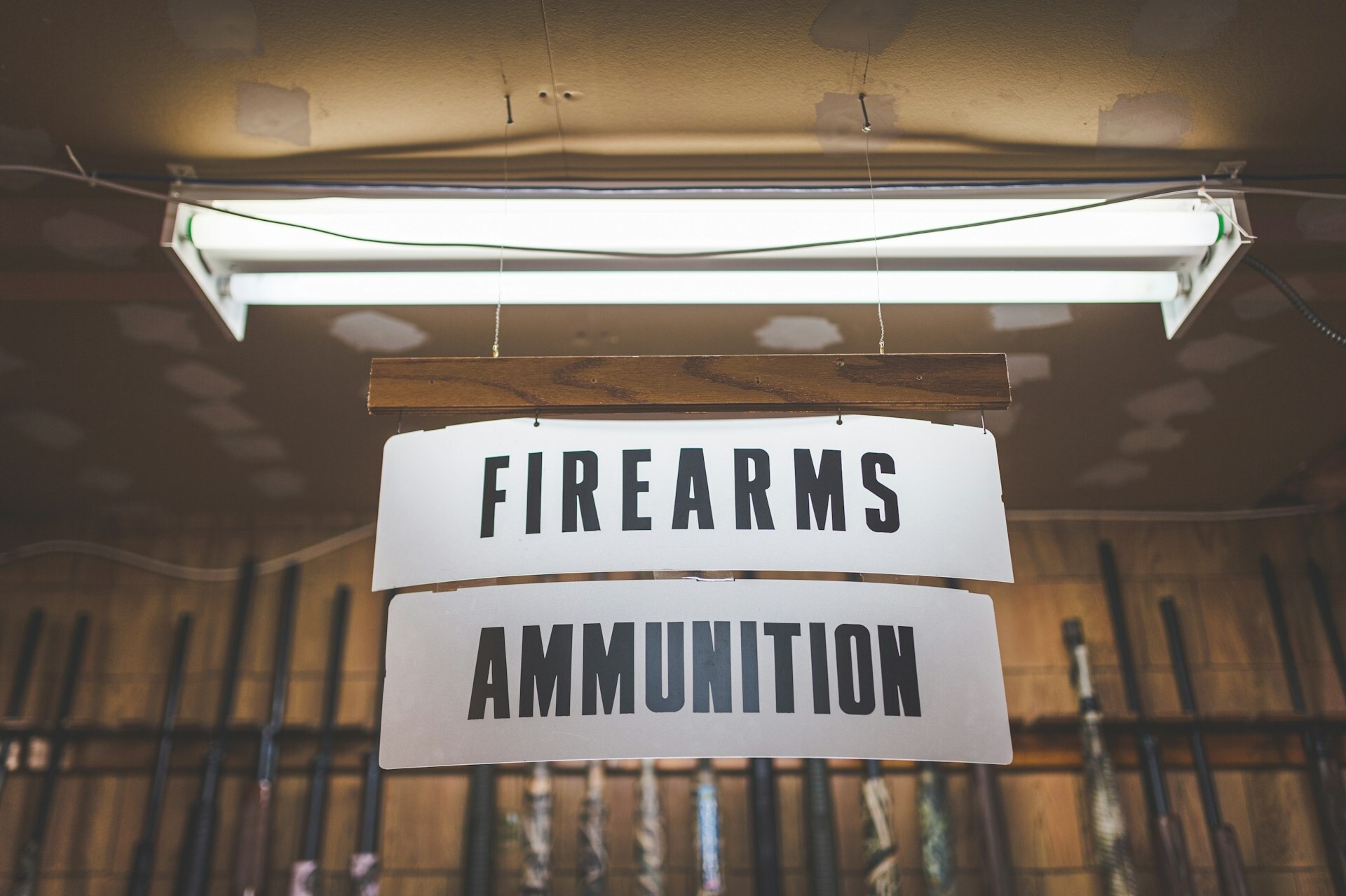
- FFLs are licenses for businesses dealing in firearms.
- Some FFLs do not allow for the manufacture of guns or specific types of ammo.
- Destructive Devices have their own specific FFL Licensing.
- An FFL is only necessary for making ammunition to sell, but not for selling ammunition.
Whether you’re a firearms owner, collector, or just getting into firearms, you will eventually encounter an FFL. But what is an FFL? How does that affect you, and what do you need to know about them?
Wing Tactical wants you to be able to make an informed decision when it comes to FFLs and purchasing firearms. We’ll cover these questions and more, so you know exactly what FFLs are and how they apply to you.
The Definition of an FFL
An FFL is a Federal Firearms License. This is a government-issued document that indicates you are legally allowed to engage in certain kinds of commerce related to firearms and ammunition. Someone who possesses an FFL is called a Federal Firearms Licensee or an FFL holder. Both the license itself and the license holder can be referred to as an “FFL”.
Essentially, an FFL is the paperwork you need to sell guns and (some) ammunition professionally.
What Does an FFL Do?
A Federal Firearms License allows you to sell, manufacture, or receive firearms directly, depending on the license. Some variations allow for the manufacture and selling of specific types of ammunition or special items.
For a Licensee, most of what you will be doing is receiving firearms, selling firearms and ammunition, or manufacturing them in a professional capacity. However, there are some exceptions which we’ll cover later.
Do I need an FFL?
From AR-15 parts to Glock parts and firearm accessories, purchasing the majority of gun parts for your personal use as a private individual does not require a Federal Firearms License. The same can be said for ammo. The primary issue comes with purchasing functional firearms from a business.
Online gun shops and brick-and-mortar gun stores do need to have people who are FFL holders. This is because of the regulations surrounding the transportation and transfer of firearms between businesses and consumers. You, as the purchaser, do not need an FFL, but the firearm seller* needs to be an FFL holder if that is their professional business.
*Regulations regarding private purchase can vary. Check your local laws for more information.
How do I find an FFL?
In order to have a firearm that was purchased online sent to a location for you to be able to pick it up, you need to find your closest FFL holder. This can be done by a few searches online. The primary way is to use the ATF’s official FFL search engine.
The next best way is to look up “FFL finder” in your preferred search engine. This will bring up multiple sites that deal with finding FFLs in your area. All you have to do is put any relevant geographic data (state, county, or address), and they will find the closest FFL holder to you. This doesn’t mean it will be convenient, just that it is in your area.
What Types of FFL are there?
There are three major groupings of FFLs: Dealers, Manufacturers, and Importers. There is a fourth category that contains only one license, so it falls under the “other” category. There is no license needed to sell common ammunition.
Dealers FFLs
These FFLs pertain to individuals who sell, buy, or otherwise do business with firearms.
Type 01: Dealer/Gunsmith
The Type 01 license is for all non-NFA restricted firearms. These are commonly held by gunsmiths but do not allow you to manufacture your own firearms for sale.
Can:
- Receive Non-NFA firearms
- Work as a gunsmith (repair)
- Buy and sell firearms professionally
Can’t:
- Manufacture firearms (not even kit assemblies)
- Sell NFA items (Silencers, Short Barreled rifles/shotguns, etc)
- Manufacturer ammunition
- Regularly import firearms or ammunition
Type 02: Pawn Broker
Similar to the Type 01 license, the Type 02 is more suited for the casual firearms business. This deals specifically with pawnbrokers. While it is almost identical to the type 01 in performance, it allows the individual to buy and sell firearms or take firearms as security for a loan.
Can:
- Buy and sell non-NFA firearms
- Take firearms as security for a loan
- Receive firearms directly
Can’t:
- Manufacture firearms or ammunition
- Sell NFA items
- Regularly import overseas firearms
Type 09: Dealer in Destructive Devices
This is one of the oddball licenses that deals with everything that is not considered to be sporting firearms or “normal” firearms. These items are referred to as “Destructive Devices” and include things like selling grenades, artillery, and some types of exploding ammunition.
These licenses are usually acquired by government contractors, law enforcement/government agencies, and certain high-end collectors of rare and unusual weapons.
Can:
- Sell and purchase Destructive Devices
- Sell and purchase Destructive Device ammunition
Can’t:
- Manufacture Destructive Devices
- Manufacture firearms or ammunition
Manufacturer FFLs
These licenses are the ones that allow you to make firearms, ammunition, and Destructive Devices, depending on the license you get.
Type 06: Ammunition Manufacturer
The Type 06 license is the license for making ammunition. This means it is great for a professional reloader or someone who only deals with selling common small arms ammo.
Can:
- Manufacture common small arms ammunition for sale.
Can’t:
- Manufacture firearms
- Manufacture Destructive Devices
- Manufacture explosive ammunition
- Manufacture armor-piercing ammunition
Type 07: Firearms and Ammunition Manufacturer
Now, for the most common and useful of all the licenses. The Type 07 license allows you to make and sell guns and ammo. With special modifiers (a Class 3 SOT), you can also make and sell NFA items. If you want to do all the cool things you think about for a firearms business, this is the license you are likely to get.
Can:
- Manufacture and sell firearms
- Manufacture and sell common ammunition
- Manufactures and sells NFA items (with Class 3 SOT)
Can’t:
- Manufacture or sell Destructive Devices
- Manufacture or sell explosive ammunition
- Manufacture armor-piercing ammunition
Type 10: Destructive Device, Special Ammunition
This is the license needed for making Destructive Devices, ammunition for Destructive Devices, and armor-piercing ammunition. This is mostly for individuals or businesses that sell to government agencies, restore some historical arms, and military subcontractors.
Can:
- Manufacture and sell Destructive Devices
- Manufacture ammunition for Destructive Devices
- Manufacture armor-piercing ammunition
Can’t:
- Sell normal firearms
- Import firearms or ammunition
Importer FFLs
This licenses deal with taking firearms and ammunition that are outside the US and bringing them into the US as their primary function.
Type 08: Importer of Firearms and Ammunition
For your normal firearms and ammunition, you will need a Type 08 FFL. This will allow you to import most firearms and ammunition, but be sure to check the current regulations before doing anything.
Can:
- Import ammunition
- Import firearms
Can’t:
- Import Destructive Devices
- Import Destructive Device ammunition
Type 11: Importer of Destructive Devices and Special Ammunition
The Type 11 license allows you to import Destructive Devices like grenades and artillery shells. Clearly, this is geared towards more government contracts and supply than the average individual. You will need specific reasons to look into getting one of these licenses.
Can:
- Import Destructive Devices
- Import Destructive Device ammunition
- Import Armor Piercing ammunition
Can’t:
- Import normal firearms
- Import normal ammunition
Other
The final license is for collectors of Curios and Relics. This is one of the few licenses that is not commercial in its intent.
Type 03: Collector of Curios and Relics (C&R)
This license exists only to make it easier for collectors to get firearms that count as Curios and Relics to their home. This means an eligible firearm can be shipped directly to the Type 03 Licensee’s address.
Can:
- Have C&R-eligible firearms mailed directly to their home
Can’t:
- Sell firearms professionally
How Long Does IT Take to Get an FFL?
From the time of submitting an application, it will take roughly 60 days to get an FFL license. This allows for the background checks, interviews, and assessments to see if you meet the FFL license requirements.
Should I get an FFL?
Getting an FFL is an individual choice. If you plan on becoming a gunsmith or going into business buying, selling, or making firearms, you are required to get an FFL. If you are just an avid collector of old guns, you can get a C&R license to make things easier.
Overall, if you’re just an individual who wants to buy guns, you should not get an FFL and just work with your local FFL holder.