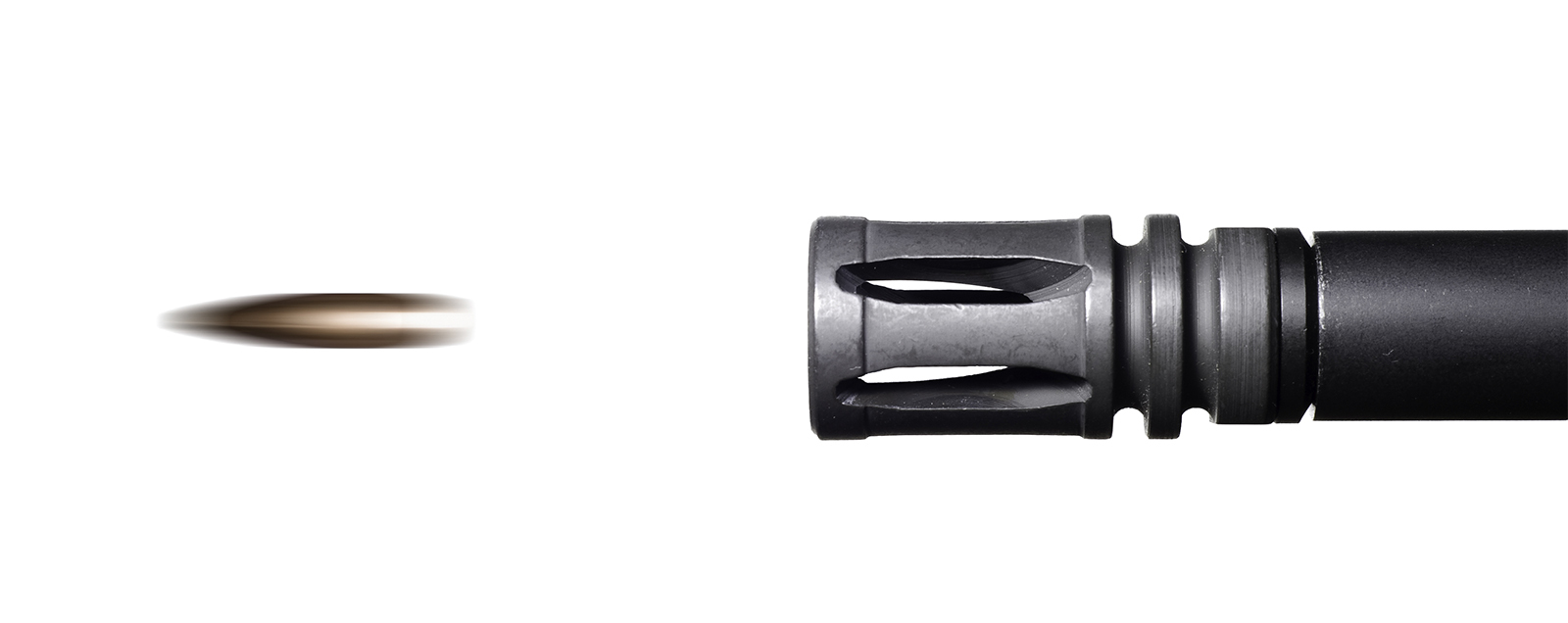
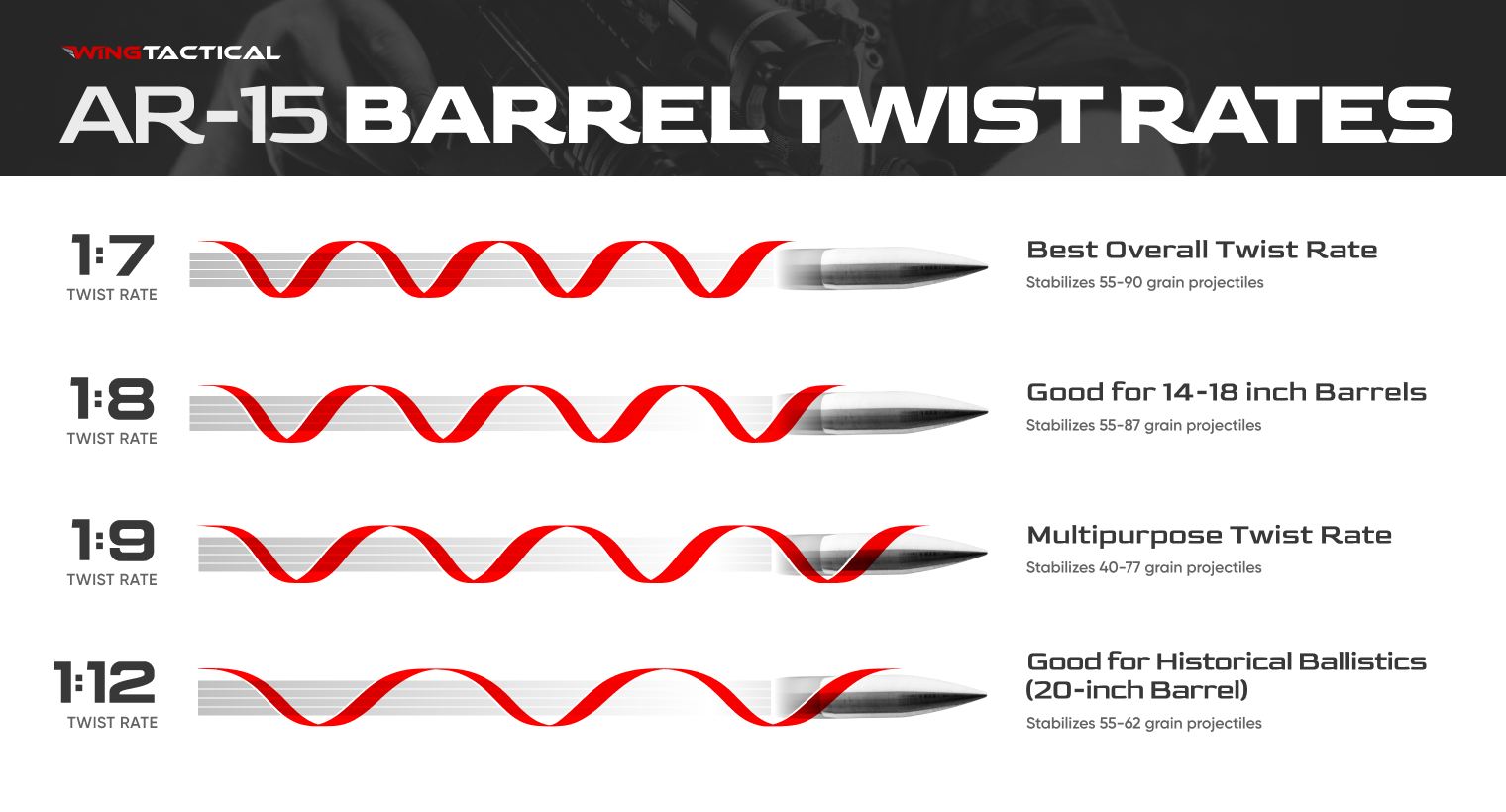
- The Best AR Twist Rate for most barrels is 1:7
- A 1:12 twist rate is good for recreating M16A1 ballistics
- 1:9 and 1:8 are better for barrels below 20 inches
Many AR-15 shooters wonder why barrels have so many different twist rates and if twist rate really matters all that much. The reason barrels have different rates of twist is that different bullets perform best at specific rates of spin in flight. However, asking for advice on twist rates is like asking for advice on the best deer-hunting caliber. Everyone has an opinion, and not all opinions are created equal.
Firing a bullet down a barrel with a twist rate not optimized for that load won't send the slug into space, but it can affect accuracy. For a home-defense gun where you will be firing at close range, the AR barrel twist rate won't make enough of a difference for the home intruder to notice. However, barrel twist rate can make a significant difference in long-distance shooting.
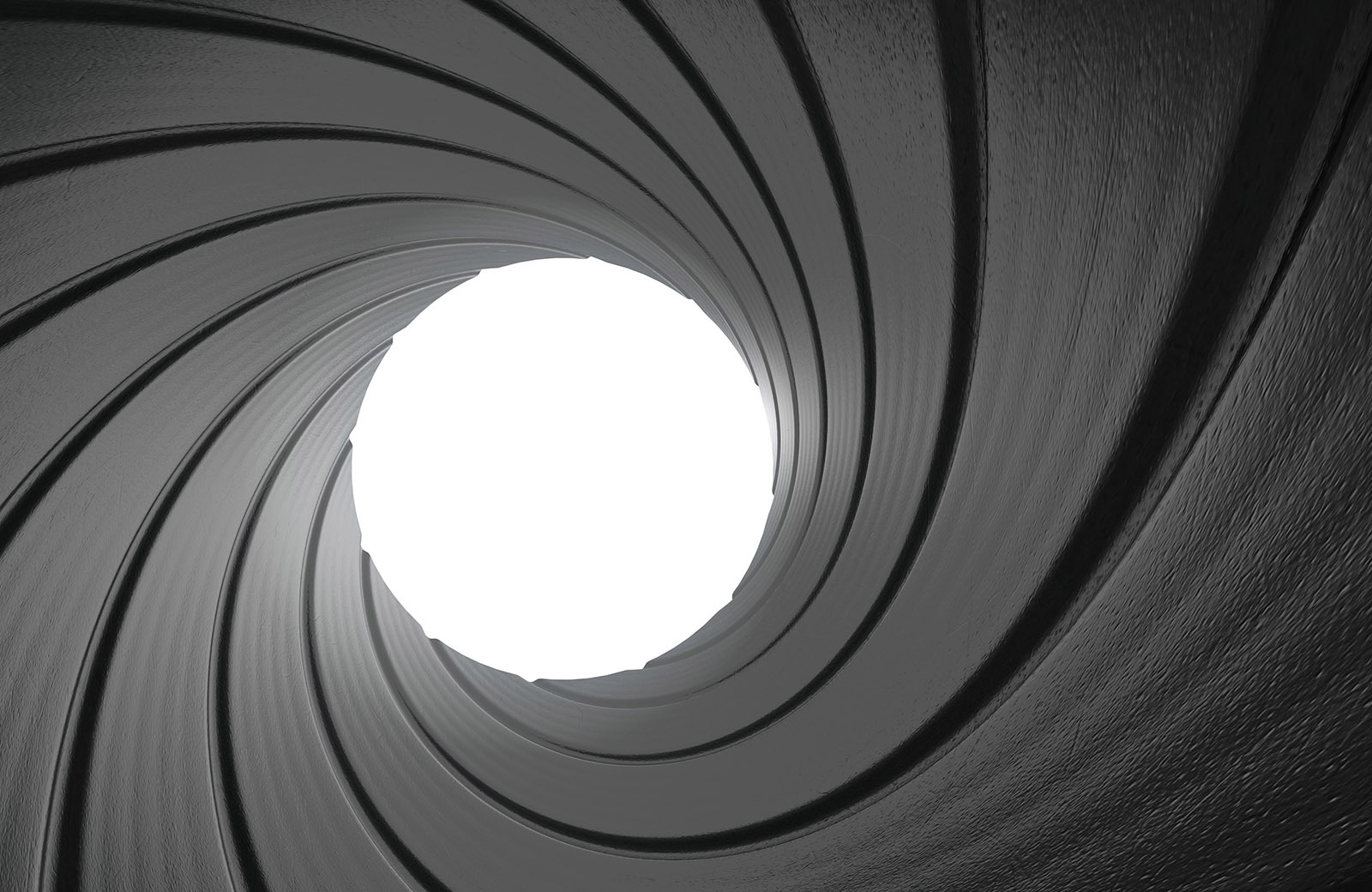
What Are AR-15 Barrel Twist Rates, And How Do They Work?
Just as a quarterback throws a football with a spiraling motion to keep it stable in flight, a bullet must spin during flight to make it fly accurately. This spin is created by grooves cut inside the barrel called “rifling”. How tightly the rifling grooves are cut determines the "twist rate" that controls how fast the bullet spins.
Twist rates can vary greatly from one barrel to the next and are calculated by the manufacturer through extensive testing to determine how fast a given bullet should spin for optimum accuracy.
Is It Safe To Fire The Wrong Bullet Weight For Your Twist Rate?
While it is perfectly safe to fire any weight bullet of the proper caliber in any barrel with any twist rate, accuracy may be affected. The operative word here is "may." It is an all-too-common misconception that a barrel's rate of twist is tied directly to bullet weight. Like all fallacies, there is a grain of truth to this misconception. The rate of twist needed to stabilize a bullet in flight is more a factor of the length of the projectile than weight.
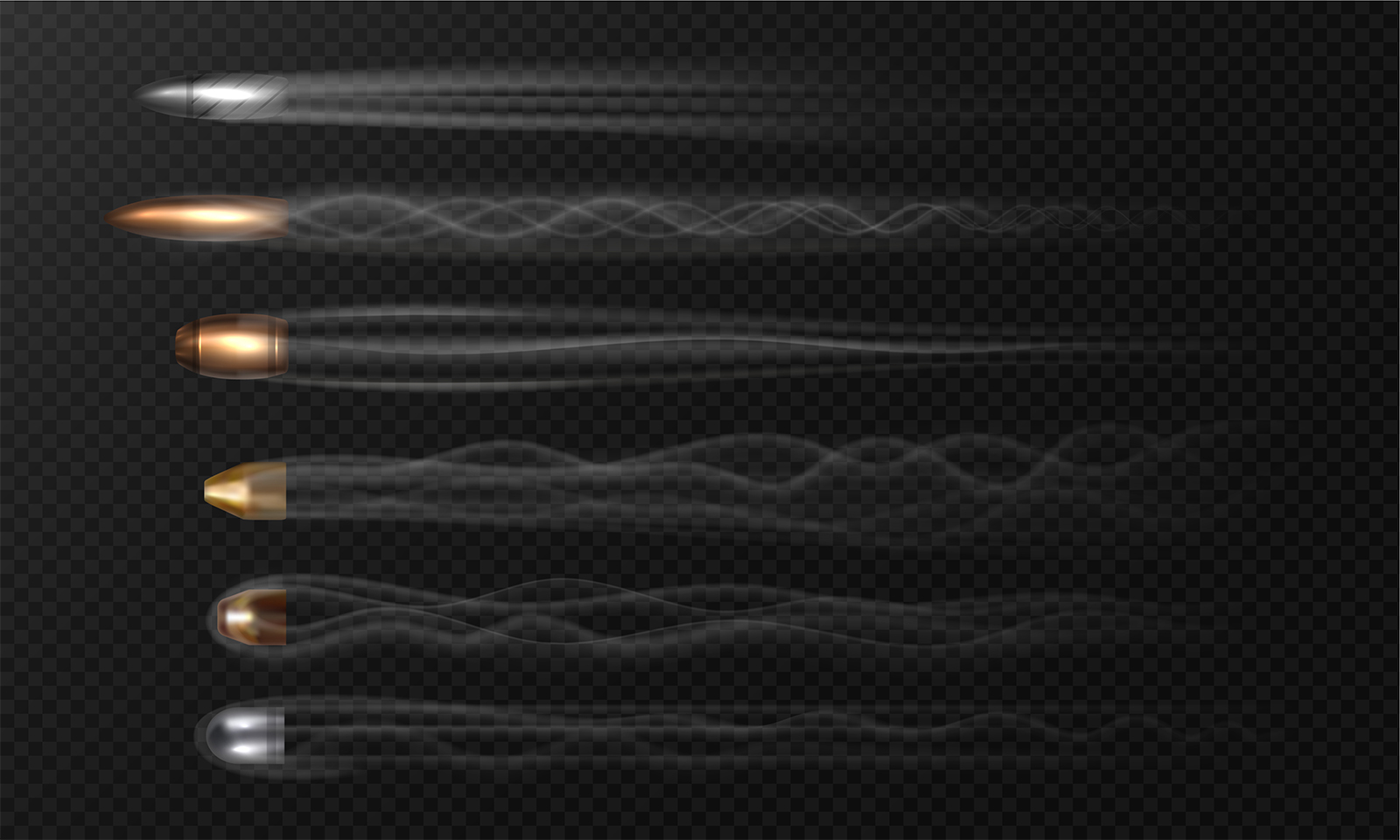
Bullet Length And Bullet Weight
It is such a hard thing for many shooters to accept that bullet weight is not directly tied to the best AR-15 twist rate, that the topic may be responsible for a few bar fights. Alcohol aside, it's just a simple matter of physics. It is the length of the bullet, not simply the slug's weight, that determines the best AR barrel twist rate. However, the longer a slug is, the heavier it will typically be.
This general rule of thumb about weight is sometimes slightly skewed by new lead-free bullets made from copper, zinc, or lightweight alloys, which must be longer to achieve a specific weight in grains compared to their lead-core counterparts. So again, the longer the bullet is, regardless of weight, the faster the twist rate it will require for optimum stability and accuracy.
Now, What Exactly Do The Barrel Twist Numbers Mean?
To a beginner, the best AR twist rates can seem as complex and technically confusing as a schematic diagram for the Mars rover, but in reality, it is a pretty simple formula. The twist rate of a barrel refers to how many times the slug will spin for every inch of barrel length. For example, a 1:7 rate of twist will cause the bullet to rotate one time for every 7 inches of barrel length.
To make the math easy, this means a bullet will rotate three times as it travels down a 21-inch barrel with a 1:7 twist rate (21/7=3). Likewise, a barrel with a 1:8 twist rate will spin the bullet twice as it travels down a 16-inch barrel. Easy, right?
Since we can't always measure the length of the bullet, the general rule of thumb is that a spin rate that is faster than necessary can be used for a given bullet. However, a twist rate that is too slow will cause a loss of stability and accuracy.
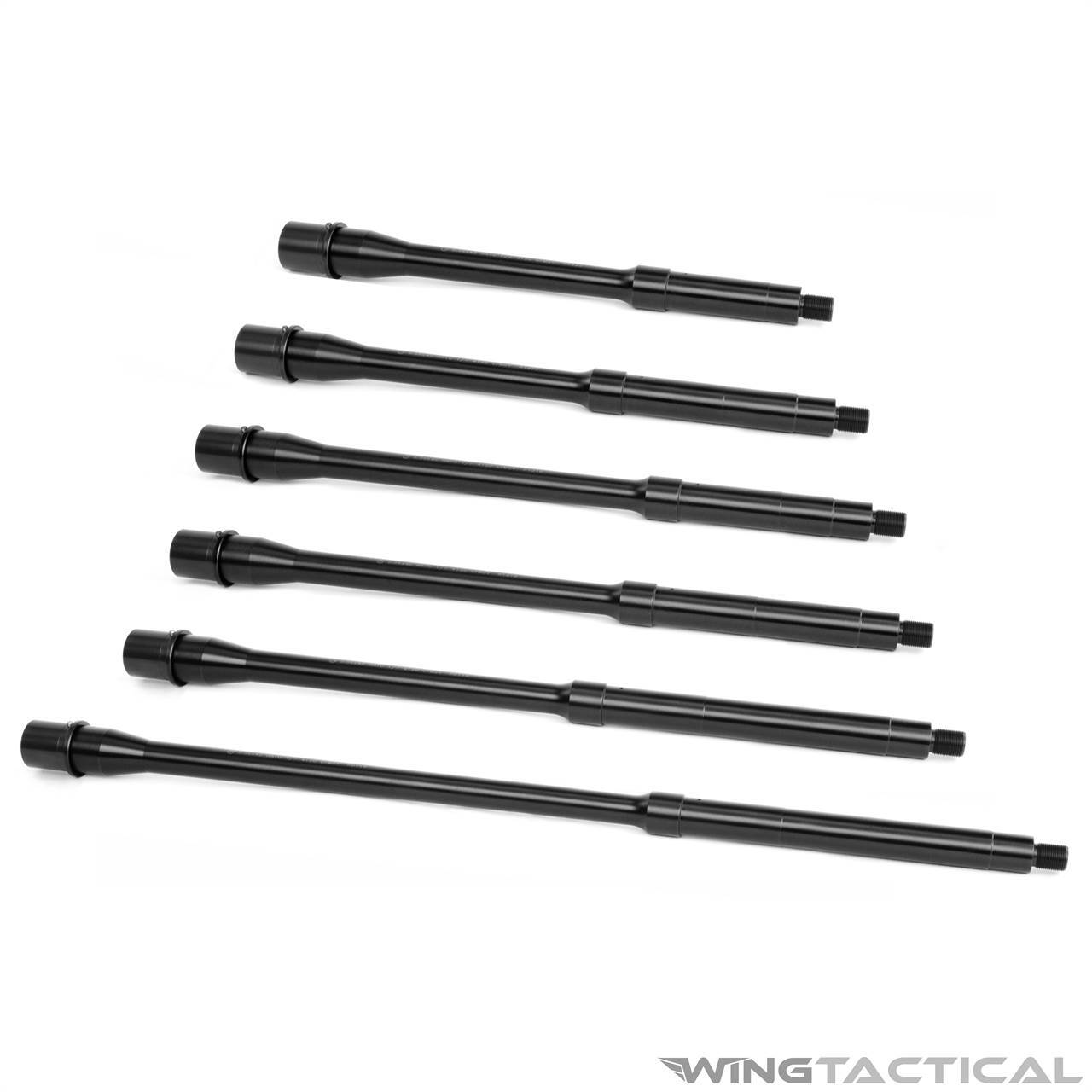
Most websites will display the twist rate in the product description. Example: Ballistic Advantage AR-15 Barrel
1:12 Twist
This is a slow and relatively uncommon AR barrel twist rate. These are popular with shooters who want to duplicate the M16A1 and work best in 20-inch length barrels with 62-grain projectiles.
1:9 Twist
This is the closest most shooters will get to a multi-purpose twist rate in moderate-length barrels. This twist rate will stabilize 40-grain to 77-grain bullets. However, as it is a jack-of-all-trades type of barrel, it won't be winning any long-range target competitions. The best accuracy for a 1:9 twist is found with 40-grain to 62-grain copper projectiles.
1:8 Twist
Like the 1:9, this twist rate also works best in short barrels between 14 and 18 inches. While it will fire 40 to 87-grain projectiles with accuracy, it seems to have the best appetite for 62-grain slugs. Just note that most 80-grain slugs are too long to work in an AR magazine.
1:7 Twist
This twist rate is very effective at stabilizing heavy rounds upwards of 69-grains and is the twist rate currently used in the military M4, M16A4, and the HK 416 rifles. As a result, it is often the choice of shooters who like the shorter barrels and work well for heavy rounds at any velocity.
Summary
This chart shows the best twist rate for your AR-15 barrel, but remember, this is just a starting point. Finding just the right ammo for your AR-15 will require some trial and error to get the firearm to its full accuracy potential. Just remember that the "faster" the twist, the shorter the distance it takes for the slug to make one rotation as it travels down the barrel.