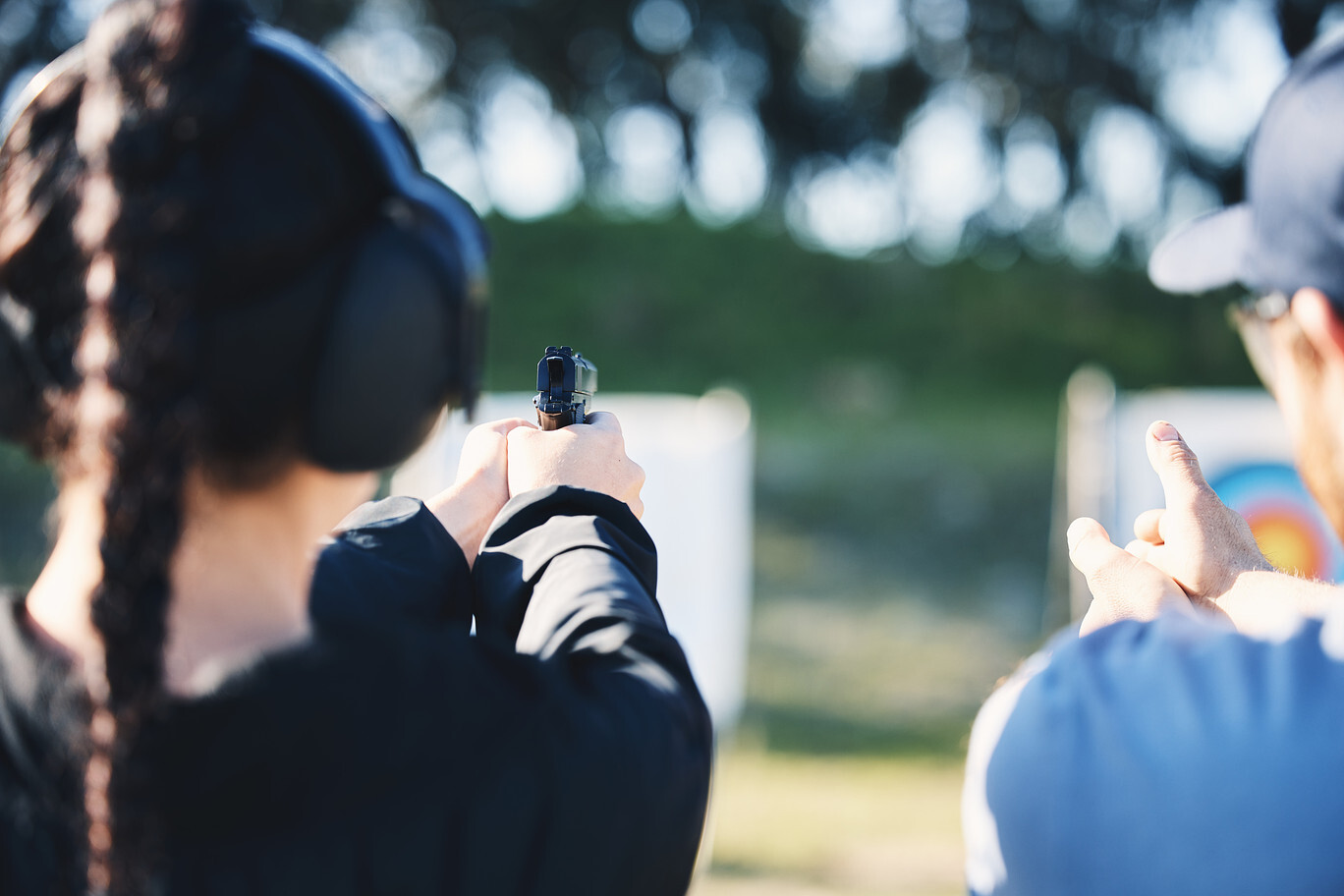
- Use commonly available calibers
- Small guns are viable for everyday use
- Carry method dictates gun size
What is a good gun for women to carry? It sounds simple, but there are many factors to consider, including personal preference. There is no single perfect answer, but you can rule out many options fairly quickly if you know what to look for. Today, we are going to cover some of the aspects you need to consider when it comes to concealed carry and give you some recommendations so you can make an educated decision about your safety.
Carry Considerations
When it comes to carrying a handgun, there are three major things to consider: how you will carry it, the caliber it uses, and how viable your gun and ammunition will be. How this manifests in your life will vary from person to person since there is no standardized lifestyle.
Primary Considerations:
- Carry Method
- Caliber
- Viability
Carry Methods
How you will carry a gun will shape which gun you will carry. There are two broad categories: on-body carry and off-body carry. Both require a good holster that covers the trigger guard. There is one exception: revolvers. If you use a holster for a revolver that holds the cylinder in place, you may not need to cover the trigger (though it is still recommended).
On-Body Carry
On-body carry means you have a holster physically attached to you. This could be on your belt line, your ankle, or under your arm, depending on the holster style you use. For most people, a belt-mounted holster is the standard, but this may not work for your clothing style.
Pros:
- Handgun is always present
- Better control over the gun
- Lower risk of misfires
Cons:
- Limiting on clothing choice
- Larger handguns are less viable
- It can cause more fatigue throughout the day
Off-Body Carry
Off-body carry means you have your pistol in a holster inside another container. This is usually a bag, purse, or similar accessory. This removes many of the limitations of on-body carry, but it will depend on how big a bag or purse you use. It also runs the risk of you losing control over your handgun more easily.
Pros:
- Allows for larger handguns
- Less fatiguing
- Works with your everyday outfit
Cons:
- Less control over the handgun
- Requires specialized holsters
- Risk of losing access to handgun
Caliber Selection
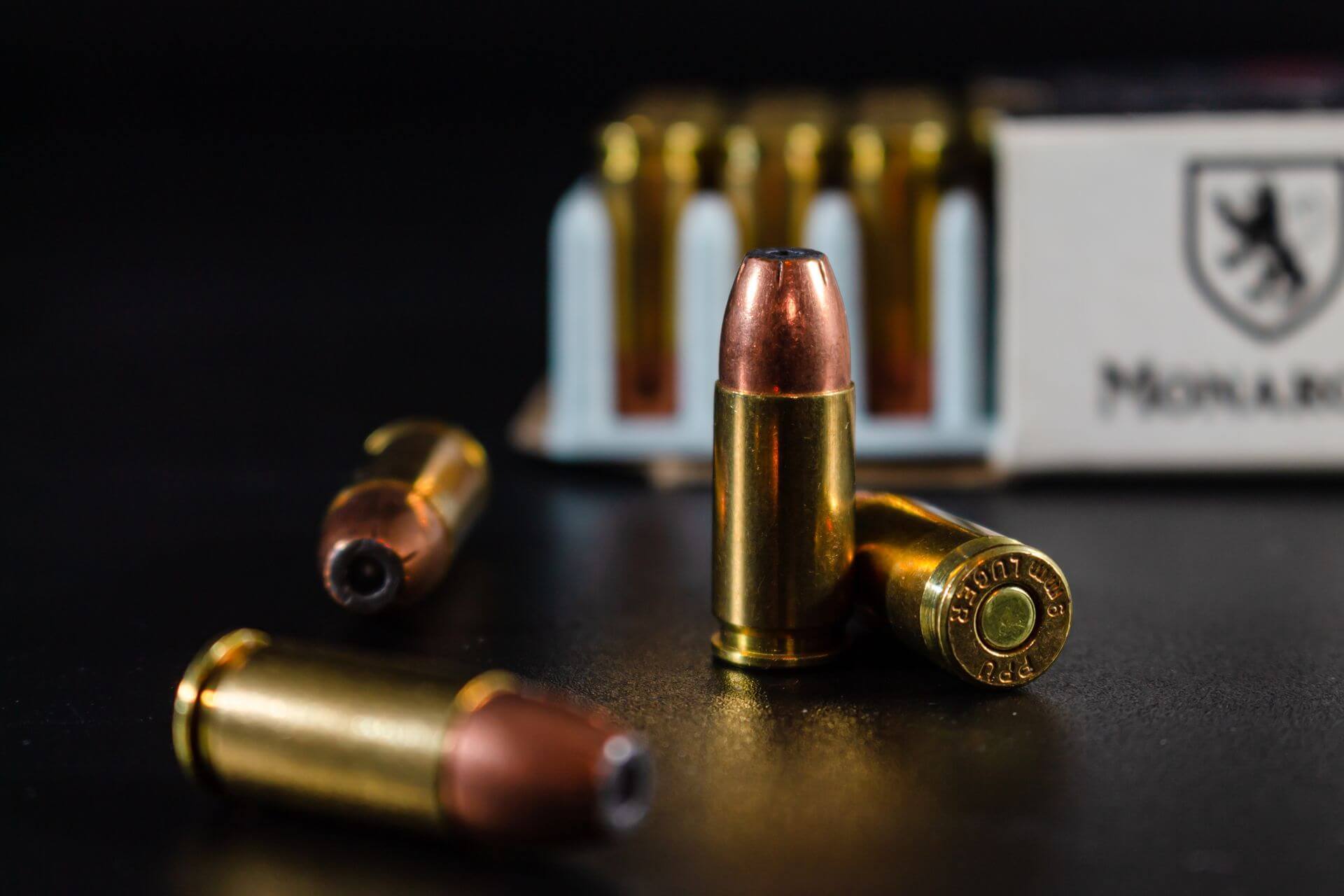
Your handgun caliber should be readily available, meet the recommended FBI handgun standard (16-18 inches on calibrated ballistic gel), and be controllable in your selected firearm.
The reason for this is that your ammunition should be effective in a defensive scenario, but not so exotic that you cannot practice with it or keep a stockpile on hand.
Semi-Automatics
While there are a lot of strong opinions regarding which caliber is best for a defensive semi-automatic, the reality is that 9 mm hollow points are the most common and effective loadings still made to a respectable specification. This makes it the primary choice for self-defense due to its availability, controllability, and support.
High-quality .22 LR in modern semi-automatics is another acceptable choice, as these loads benefit from better quality control. The .22 LR options need to be modern, optimized loadings like CCI Stingers or Federal Punch. This will provide lower recoil and aid in accuracy for most people.
For even smaller semi-automatics, the classic .380 ACP FMJ is still an option. While it is less recommended, it will still be viable in situations where concealment is your primary concern.
- Most Viable: 9 mm hollow points
- Second Most Viable: .22 LR CCI Stinger or Federal Punch
- Third Most Viable: .380 ACP FMJ
Revolvers
For revolvers just like semi-automatics, the commonly available options will be your primary choices. This means some form of .38 Special or high-quality .22 LR. The .38 Special ammunition is widely available and one of the standards for revolvers.
Just like the semi-automatics, .22 LR is a viable self-defense option for revolvers. Modern .22 LR has more going for it as a short-barreled, hammerless option, since it offers better accuracy and lower recoil.
Other options are available, such as the .32 H&R Magnum, but they are not as well supplied as the other options. Which means a 9 mm revolver will be the third most viable option.
- Most Viable: .38 Special wadcutter or hollow point
- Second Most Viable: .22 LR CCI Stinger or Federal Punch
- Third Most Viable: 9mm hollow points
Ideal vs Viable Carry Options For Women
With all of this in mind, there are two major ways to look at concealed carry: ideal options and viable options. Ideal options are those suggestions that focus entirely on the most effective defensive option, ignoring the rest of life in the process. Viable options are the suggestions that work a defensive handgun into your lifestyle.
The Ideal Option
Ideally, the best concealed carry for women is the largest handgun you can conceal with the most powerful cartridge loading you can control. This would look like a full-sized or compact semi-automatic or similarly sized revolver with +P ammunition. But this is not viable for most people, especially those with regular jobs.
Viable Carry Options
In reality, the best concealed carry for women will be a compact or sub-compact handgun in a caliber that provides enough penetration to be effective. This will look like a Ruger LCR hammerless snub nosed revolver in .22 LR or .38 Special. Alternatively, a G19, SIG P365, or M&P Shield in 9mm will work as a semi-automatic.
Closing Thoughts
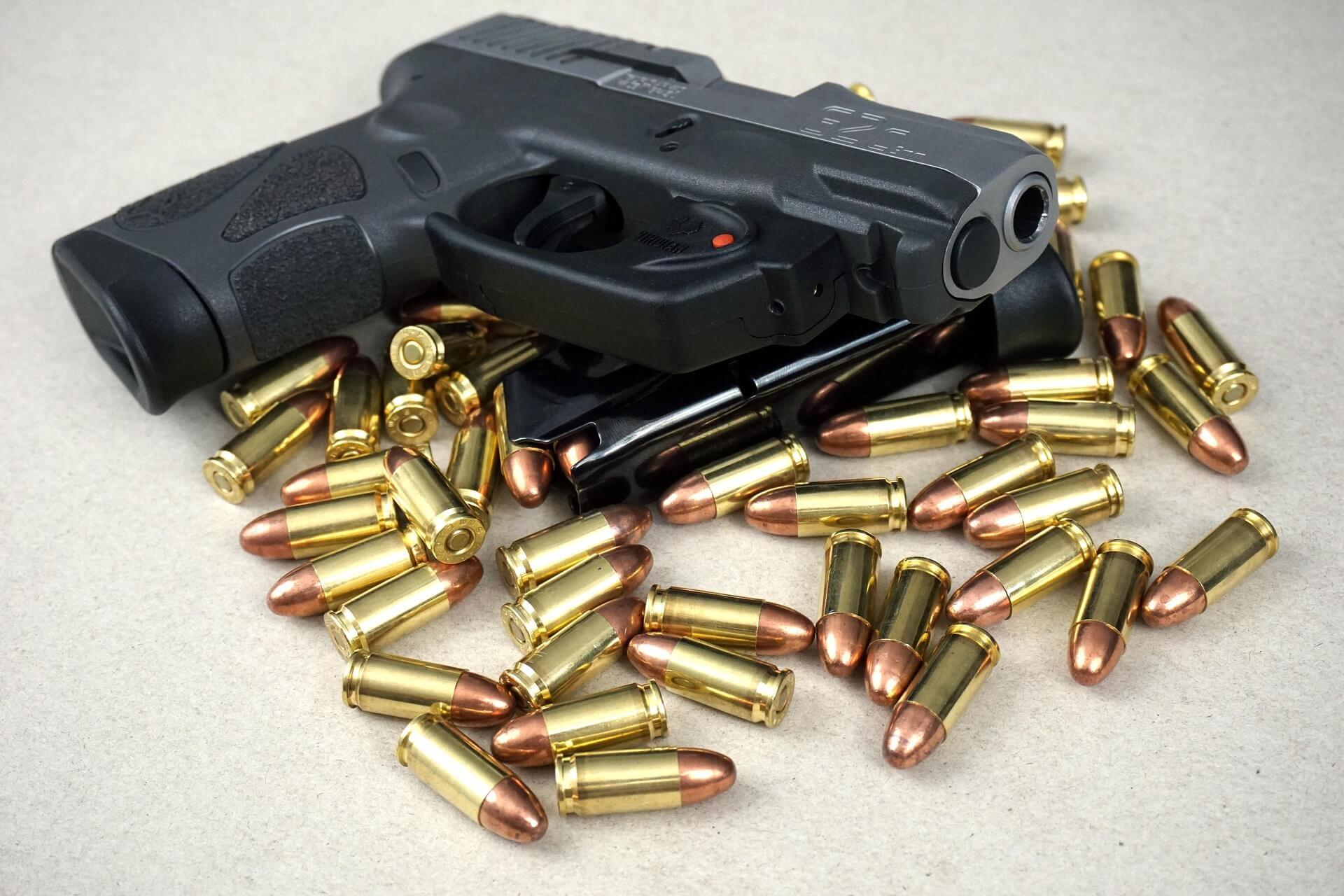
At the end of the day, your lifestyle will determine the size, caliber, and style of handgun you carry. Whether you are willing to dress around the gun or your situation limits you to smaller, easily concealed options, the choice is up to you.
If you need any additional pointers or suggestions, please contact us, and our experts will help you with your concealed carry handgun selection.
Frequently Asked Questions
Is 9 mm good for self-defense?
Yes. The current industry standard for self-defense is 9 mm, specifically 9 mm hollow points. This is because they provide effective penetration and expansion while lowering the risk of the round overpenetrating and harming a bystander.
Are revolvers good for concealed carry?
Yes. Revolvers have a long history of being the standard option for concealed carry. Depending on your local restrictions, they may be the only option available.
What is the best concealed carry gun?
This will depend on your local restrictions, lifestyle, and ability. There is no “one-size-fits-all” solution to concealed carry. Your best options are a compact/subcompact semi-automatic in 9 mm or a small- to medium-frame revolver with a 3-inch barrel or less.
Do I need a concealed carry holster?
Yes. Using a holster for concealed carry is highly recommended. This allows for better control and safety while carrying a firearm.