- Know the range’s safety protocol
- Know where the range’s first aid is
- Have your own first aid
- Wear hearing and eye protection
- Follow the 4 rules of gun safety
Using firearms always has a certain level of risk to it, and going to a gun range is no different. To ensure everyone is as safe as possible, we will be covering gun range safety 101. These are some of the basic things you need to know in order to have a safe and fun time at the range.
This includes knowing about the range before you arrive, what to look for while you are there, and what you need to do while you are actively using the range.
Gun Range Safety 101
All safety starts with proper planning. Keeping ahead of potential issues helps lower the risk of injury and mitigates accidents if they do occur. All of this starts before you even set foot on the range.
It is always a good idea to research the range you plan on attending before you commit to going there.
Before You Get to the Range
Not all ranges are created equal. Some are large, well-maintained facilities while others are a loose concept of what someone was able to get licensed as a gun range. Knowing which one you’re getting into will save you time and money depending on your preferences.
1. Check The Range’s Stated Rules
All ranges have some sort of rules they expect you to follow while you are there. Some will be extremely strict, like only allowing one round in the gun no matter the gun’s capacity. Others will be moderately restrictive, like not allowing rapid fire. And then there’s the least restrictive, allowing for dynamic use of the range as long as other safety protocols are in place.
2. Determine What Type of Range It Is
Figuring out what type of range you are going to use will also help you mitigate any potential problems or issues that could arise from the style of range itself. There are two primary options for ranges: indoor and outdoor ranges.
Indoor Range
Indoor ranges are more convenient. They do not have to contend with weather conditions like rain or high winds but may restrict the types of firearms and ammunition used on the premises. This is because indoor ranges may not have backstops or bullet stops rated for high-pressure or high-velocity rounds (rifle rounds).
Shooting indoors can also increase the risk of hearing damage, so you will need proper ear protection with higher levels of mitigation than you would outside.
Outdoor Range
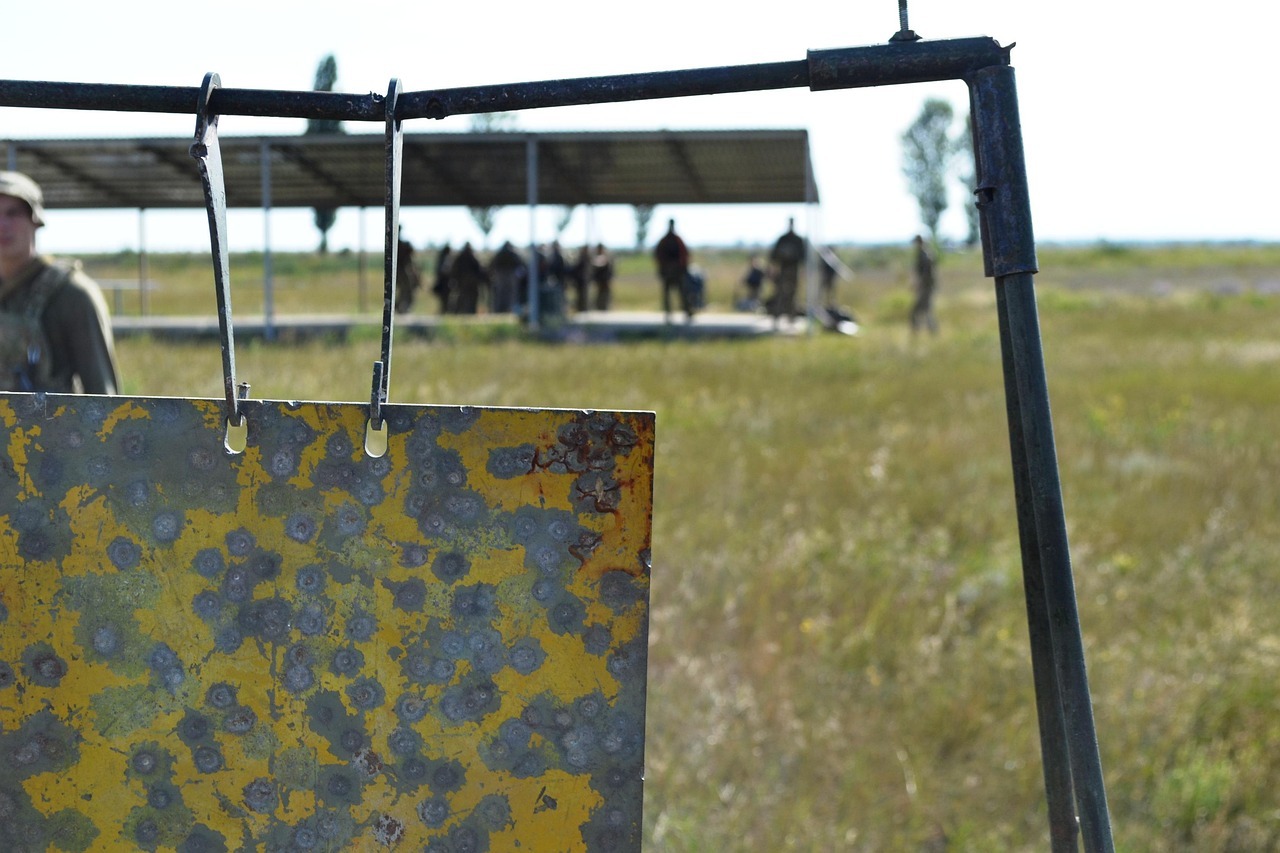
Outdoor ranges often allow more firearm types to be used on them. While they are often less confined than indoor ranges, they will be open to the elements. Heat, wind, rain, cold, and snow are all additional hazards you will have to contend with on an outdoor range.
A greater emphasis on appropriate clothing and hydration will be present on outdoor ranges. Especially in locations with extreme temperatures (excess heat, cold, etc.).
When You Are At The Range
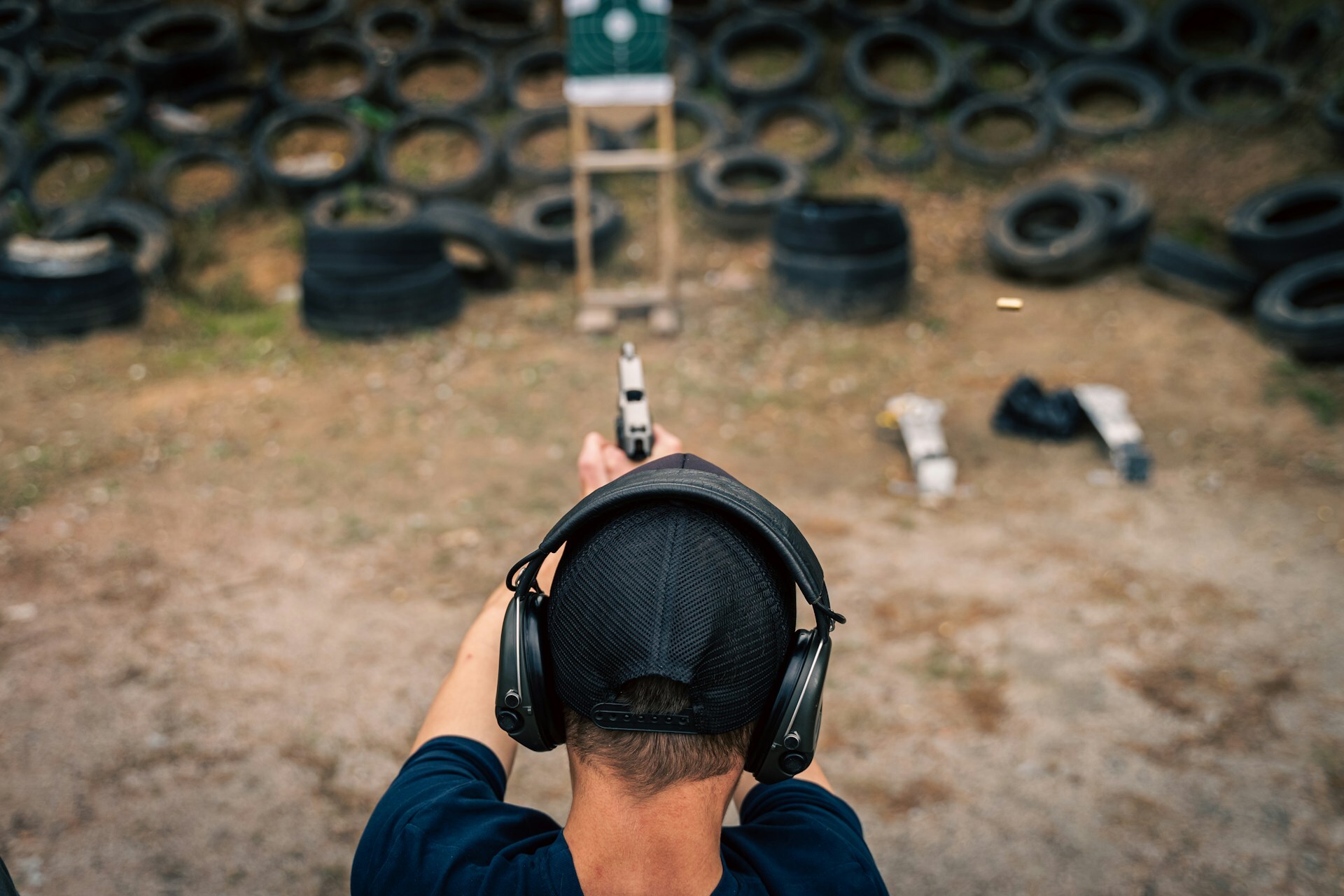
Once you know the range’s rules and what type of range you will be going to, there are seven major things you should do to help keep the range safe.
1. Know The Range’s Safety Protocols
Gun range safety starts with the range’s safety protocols. These protocols are usually posted or explained by the range staff or safety officers when you arrive or as you go onto the range itself. This can be something as simple as only transporting firearms unloaded and in a carrying case to a shooting bay. Gun range safety rules will vary from range to range.
2. Know What to Do in an Emergency
Accidents happen. Weapon malfunctions are unlikely, but not impossible. It’s important to know what you should do just in case something happens. Some states have public unmanned ranges where you’ll need to call emergency services yourself. Others may have specific procedures for everything from injuries to a fire. Make sure you know where any alarms are, where you should go to notify staff, etc.
3. Identify Where First Aid And Emergency Items Are Stored
All ranges should have first aid kits and other emergency medical items on hand in an accessible location. These can be anything from tourniquets to resuscitation machines. Knowing where these items are stored allows for aid to be rendered quickly to an individual in need.
4. Practice the 4 Rules of Gun Safety
After determining where all the emergency precautions are, you are finally ready to use your firearm on the range. This means you will need to practice the rules for gun safety. The four basic practices help prevent accidents and are the basis for gun range safety.
5. Wear Hearing And Eye Protection
When you are in the shooting section of the range, you should always be wearing eye protection. Additionally, hearing protection should be worn, especially when the range is “hot,” which is when people are able to shoot in the bays of the range.
6. Listen To The Range Safety Officers
Always listen to range safety officers when you are using their range. These individuals will provide warnings when the range is hot or cold (not actively being used) while also enforcing the range’s safety protocol to keep people from injuring themselves or others.
7. Bring Your Own First Aid Equipment
You can never be too prepared for gun range safety. Take the extra precaution of bringing your own first aid items with you. Get training on how to apply tourniquets and bandages so that if you or someone around you is injured, you do not have to rely on someone else to render aid.
Closing Thoughts
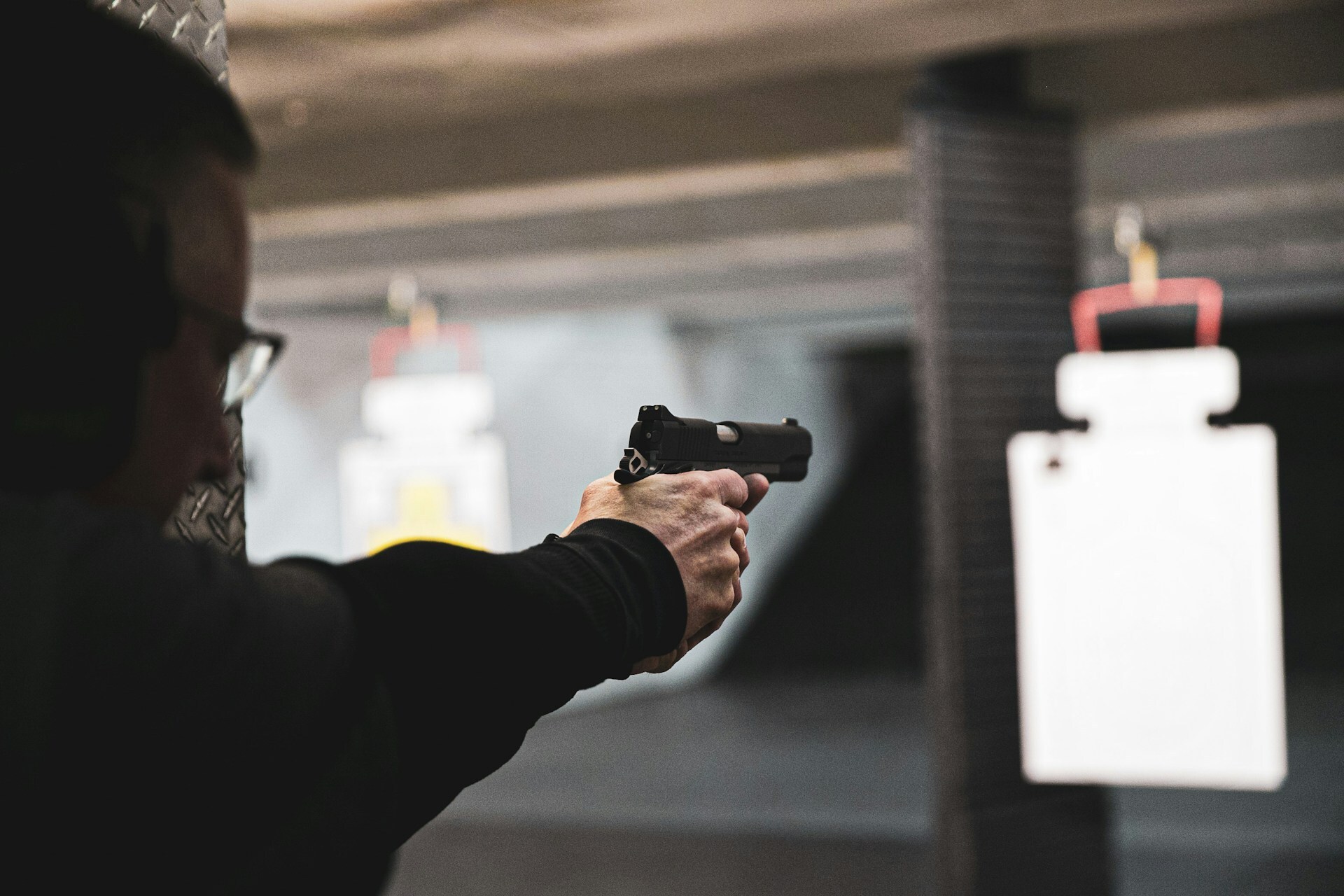
Prevention is the name of the game when it comes to gun range safety. As long as you keep an eye out for potential problems, follow the range’s protocols, and adhere to the 4 rules of gun safety, you will have a fun and uneventful time at your range of choice.
If you have any questions regarding your next firearm-related purchase, feel free to contact us. Our experts will be happy to help you in your firearms journey.
Frequently Asked Questions
What is a hot or cold range?
A hot range is a range where gunfire and loaded weapons are allowed and expected. A cold range is when all individuals are required not to fire and unload their weapons. Cold ranges are often called to reset targets or perform minor maintenance.
Why do some ranges restrict some ammo types?
Ranges restrict ammunition types to comply with local laws and to maintain a level of safety on the range itself. Some ammunition types can damage a range's berm, backstop, and steel targets, requiring repairs. Additionally, using inappropriate ammunition on the range can lead to unintended injury.
Why do some indoor ranges not allow rifles?
Rifles fire higher-pressure ammunition than pistols. Backstops for indoor ranges are sometimes not rated to stop these types of projectiles, and shooting a rifle round into these types of backstops will damage them. To prevent this, these ranges are pistol only.
Why are steel cored bullets banned at some ranges?
While not all steel cored ammunition is considered armor piercing, steel cored ammunition and armor piercing ammunition can damage the berm, backstop, or reusable targets of a range. Banning all steel cored ammunition lowers the risk of this damage.