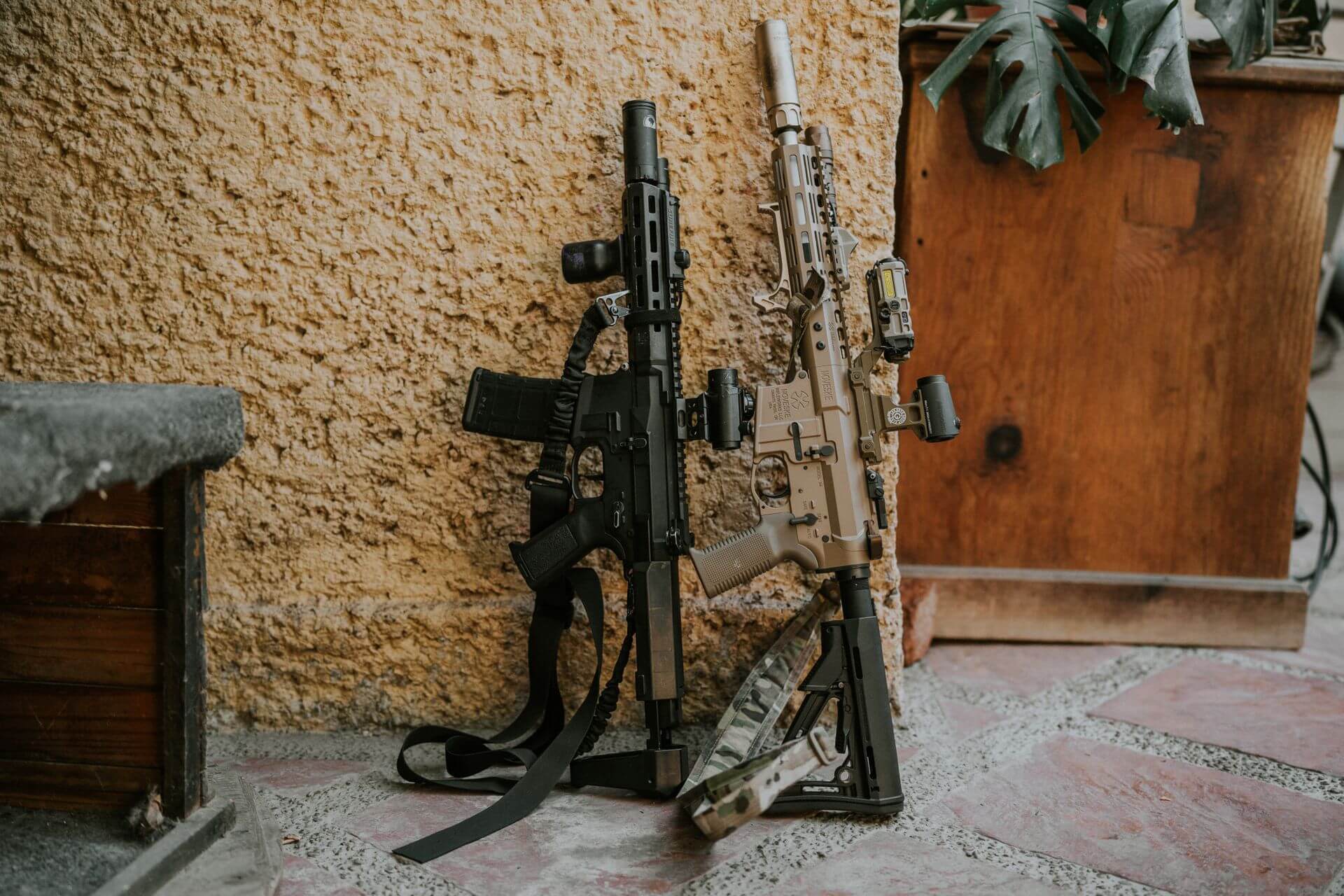
- Suppressed rifles can be tuned for better performance
- Using a suppressor increases back pressure in the rifle
- There are different types of suppressors with different needs
- Tuned rifles can be picky about ammunition
While there are some real benefits of using a suppressor, suppressed rifles just have a natural coolness to them. This means people get curious about having a suppressed gun, which brings up the concept of a suppressor-ready rifle.
A suppressor-ready rifle is a rifle that can easily transition into a dedicated suppressor host. But how do they work and what does that mean for you? We will cover what you need to know about suppressor-ready rifles and some of the nuances attached to them.
How Suppressors Work On Rifles
Before we get into any specifics about suppressor-ready rifles, we need to understand how suppressors work on rifles. Suppressors trap the expanding gas that is released when the gun is fired. They slow down how fast those gases expand, physically constraining the sound of the gunshot while also lessening its intensity.
This makes the “bang” quieter, helping to protect your hearing, while also eliminating the concussive force of the muzzle blast. How this is achieved depends on the style of suppressor you have.
Suppressor Styles
Suppressors come in two styles: the classic silencer/suppressor and more modern flow-through suppressors.
Traditional Suppressors
These suppressors or “cans” are a series of chambers in a semi-sealed tube. This allows for the gas to expand at a slow rate but also forces more of that gas back into your rifle’s gas system.
This extra gas can make the rifle feel like it is recoiling more. On top of this, the extra gas can come back out of the charging handle area, ejection port, or magwell of your rifle. This increases the carbon buildup in the gun and can be unpleasant to experience (especially under rapid or automatic fire).
Flow-Through Suppressors
More modern suppressor designs use additive manufacturing to create more complex baffle systems or chambers. These slow the gas down but also funnel it forward out of ports in the suppressor.
These styles of suppressor do not have the same decibel reduction as traditional designs, but they push less gas back into the system by comparison.
Suppressor-Ready Rifles
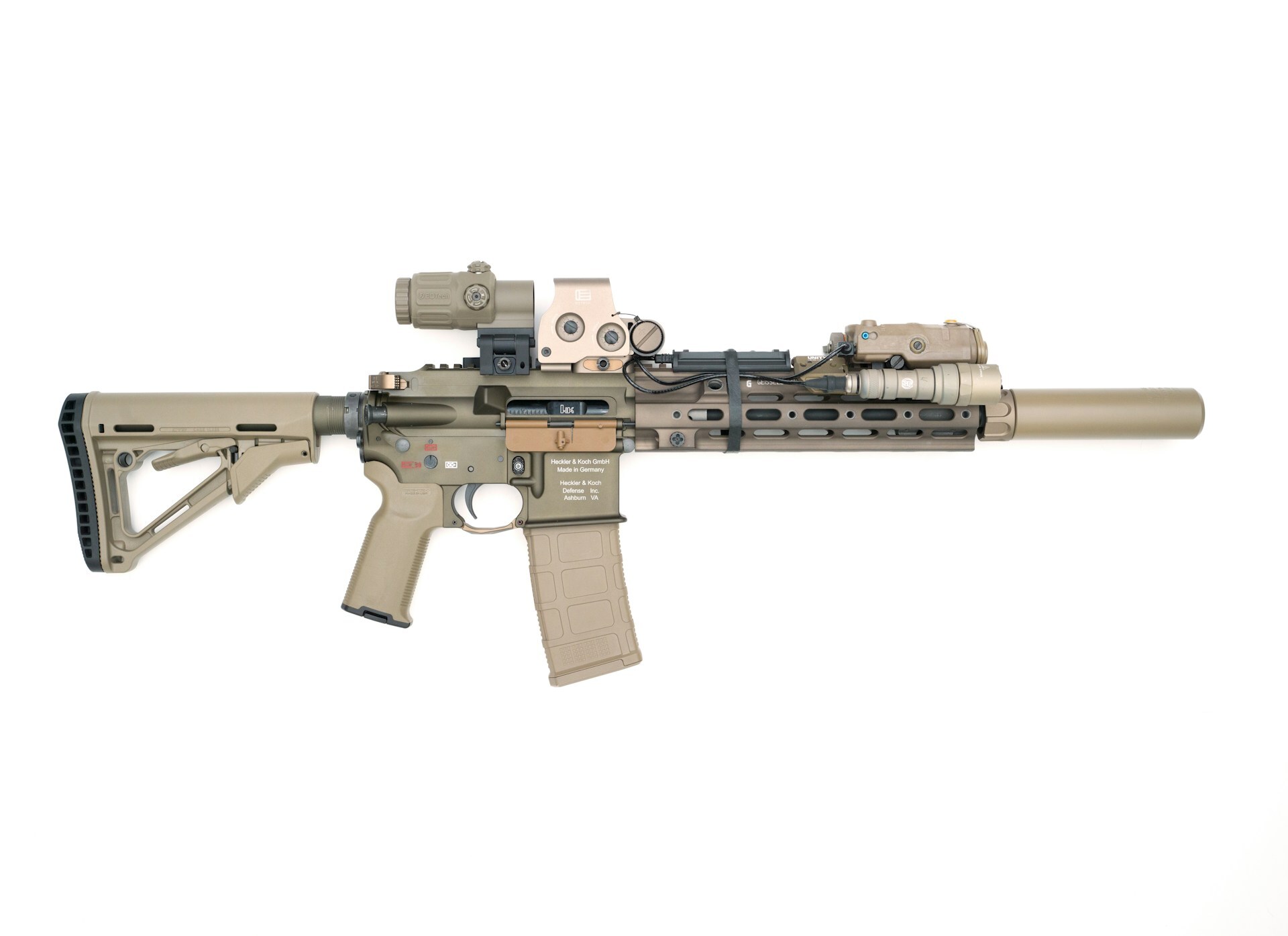
Gas Systems
Most of the heavy lifting of making a suppressor-ready rifle reliable is done in the gas system. There are two ways to do this, and both have benefits and drawbacks.
Tuned Systems
A rifle with a tuned system is modified to let a specific amount of gas into the system. This is best used on rifles that will only be suppressed because without the suppressor the rifle may not cycle correctly.
- Makes the rifle need a suppressor
- Consistent performance
- Requires specialized tuning and a gunsmith
Adjustable gas systems
Alternatively, you could install an adjustable gas block in order to control the level of gas going into your gun. This often means that the rifle is never fully optimized, sacrificing the recoil impulse and some reliability for versatility and the ability to shoot both suppressed and unsuppressed.
- Not optimized for suppressed or unsuppressed shooting
- Versatile at the cost of higher recoil
- Great if you only have one rifle.
Ammunition Consistency
Another factor to consider is ammunition compatibility. Suppressor-ready rifles are often tuned to specific ammunition specifications. If a round has too much pressure for the suppressed gas system, it can damage the rifle.
If it has too little pressure, especially if the rifle isn’t tuned for subsonic ammunition, the rifle will experience cycling issues. A good suppressor-ready rifle is carefully balanced in its performance in order to work well with your preferred suppressor and ammunition combination.
Suppressor Compatibility
Suppressor-ready rifles need to be thought of as being part of a system. Modern suppressors often require specific muzzle devices as a mounting point, with specific brands having their own proprietary options.
Making sure your suppressor-ready rifle has the right muzzle device for your preferred suppressor will save you time and money.
Parts Wear and Maintenance
Another aspect of using a suppressor-ready rifle is the difference in maintenance routines. Even with using a flow-through suppressor, your rifle will get dirtier quicker. Having a suppressor on your rifle will cause more carbon buildup even if you just fire a handful of shots.
This means cleaning your rifle will have to be done sooner and on a more regular basis than if you were shooting unsuppressed. Additionally, the added back pressures will wear parts down faster, meaning they will need to be replaced more often if the rifle isn’t tuned.
Closing Thoughts
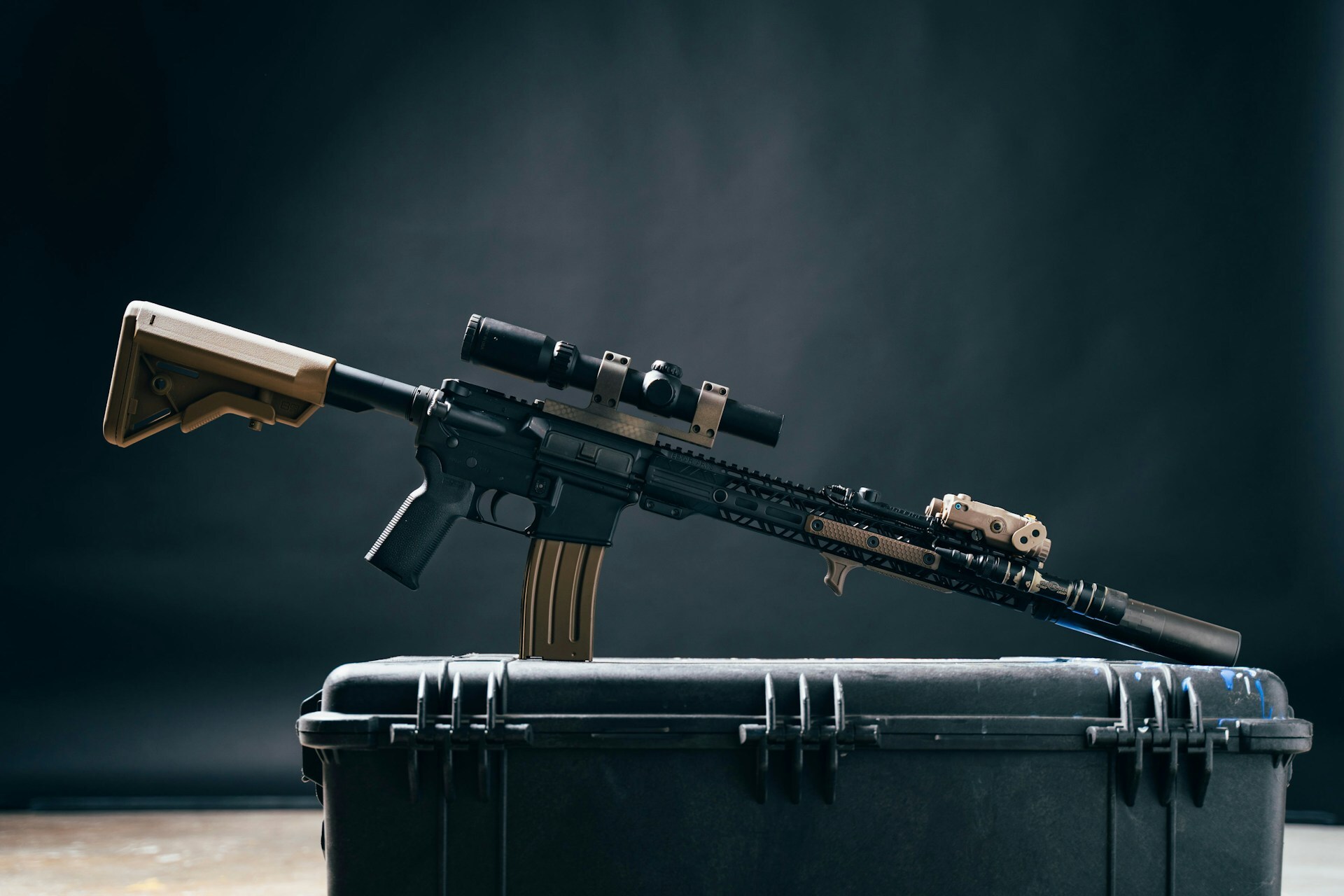
Having a suppressor-ready rifle is a great first step into using suppressed firearms. The added hearing protection not only helps you retain your hearing in the long run, but it also allows for better awareness in dynamic environments.
Avoiding tinnitus while still being able to use your gun reliably is hard to beat on the scale of benefits. Not having your gun wear out too fast because it was already over-gassed is another benefit.
If you are looking for your next upgrade or are in the market for a new upper receiver, please contact us via our contact form. Our experts are ready to help.
Frequently Asked Questions
Do suppressed rifles shoot differently?
Yes. Unoptimized rifles may produce heavier felt recoil. Additionally, more gas will be directed back into the system and, by extension, towards you, the shooter.
Does a suppressor affect accuracy?
Yes. Using a suppressor will shift your point of impact if you zeroed your rifle without the suppressor in place.
Do suppressors make my gun dirtier?
Yes. Suppressors can cause your gun to experience quicker carbon buildup or get dirtier faster due to forcing more gas back into the gun, depending on the suppressor’s design.